Amazon pickFurArt Credit Card WalletView on Amazon →
Thailand uses the Thai baht (THB). Learn the current banknote denominations and practical cash, card and ATM planning tips for travelers.
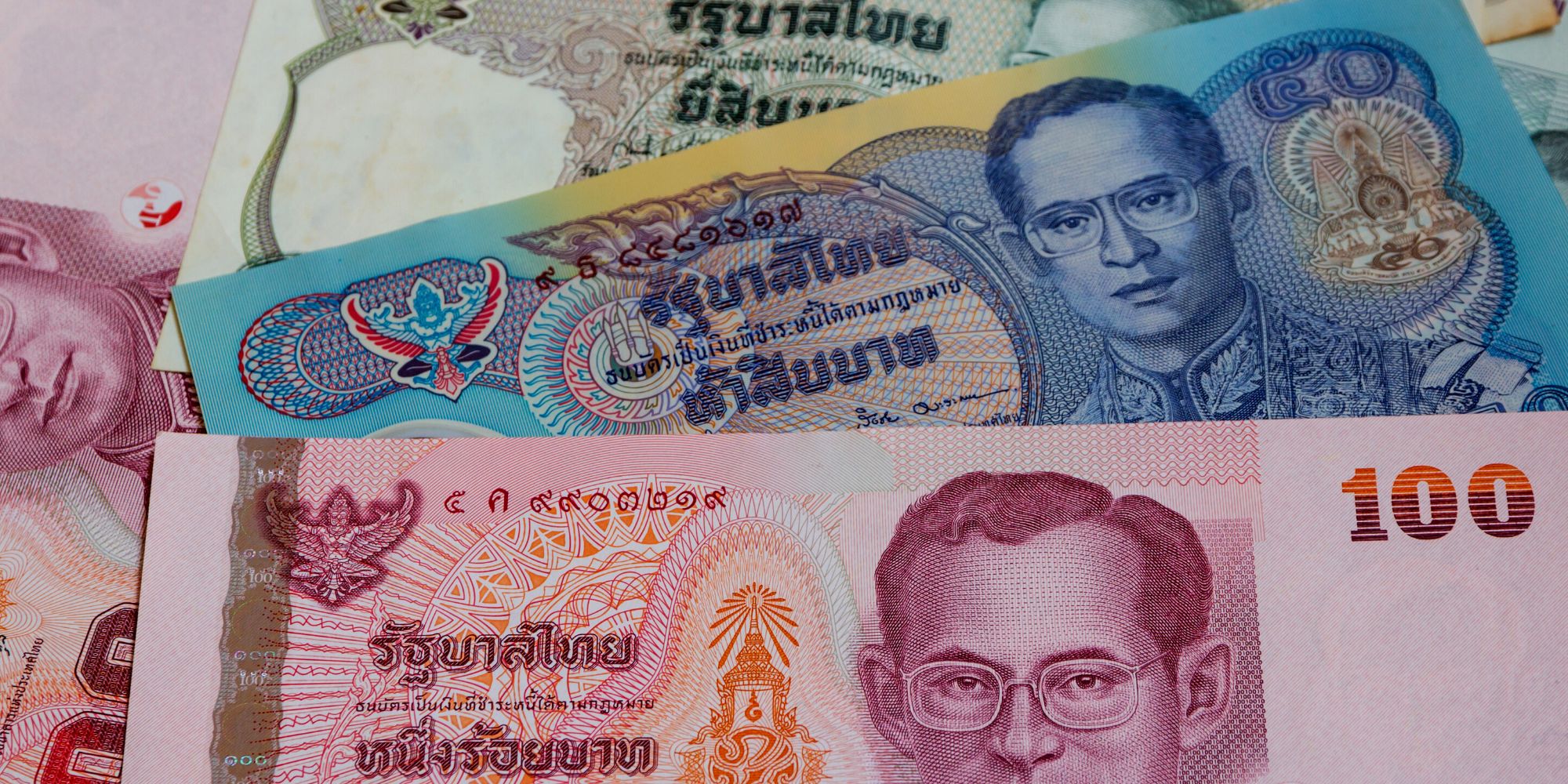
Thailand uses the baht. Cards and cashless payments are available in many tourist businesses, but local cash remains useful for markets, street food, local transport and smaller merchants. A mixed payment plan is more practical than assuming every purchase can go on a card.
Current Thai banknotes are issued in 20, 50, 100, 500 and 1,000 baht denominations. The Bank of Thailand introduced polymer 20-baht notes in 2022 and polymer 50- and 100-baht notes in late 2025; older valid series remain legal tender.
Use established bank ATMs and review both the withdrawal fee and any offered currency conversion. When a card terminal gives you a choice, paying in baht usually makes the exchange-rate decision your card issuer’s responsibility.
Keep small notes for markets and transport, and store a backup card separately from your everyday wallet.