“For United States, I checked charger INPUT voltage and USB-C input wattage on the USB wall charger used to refill the power bank before deciding whether an adapter was enough.”
— power bank check before New York
Will my Power Bank power setup work in United States?
For United States, verify the exact power bank equipment instead of relying on a country-level assumption. For a Power Bank, the item connected to wall power is the USB wall charger used to refill the power bank. United States is listed at 120 V / 60 Hz; read the exact equipment label for charger INPUT voltage and USB-C input wattage before connecting it.
Equipment designed only for 220–240 V may not be suitable for this lower-voltage supply. Plug shape alone does not settle that question for a Power Bank. Across different accommodations in United States, a tested power bank power setup is easier to repeat.
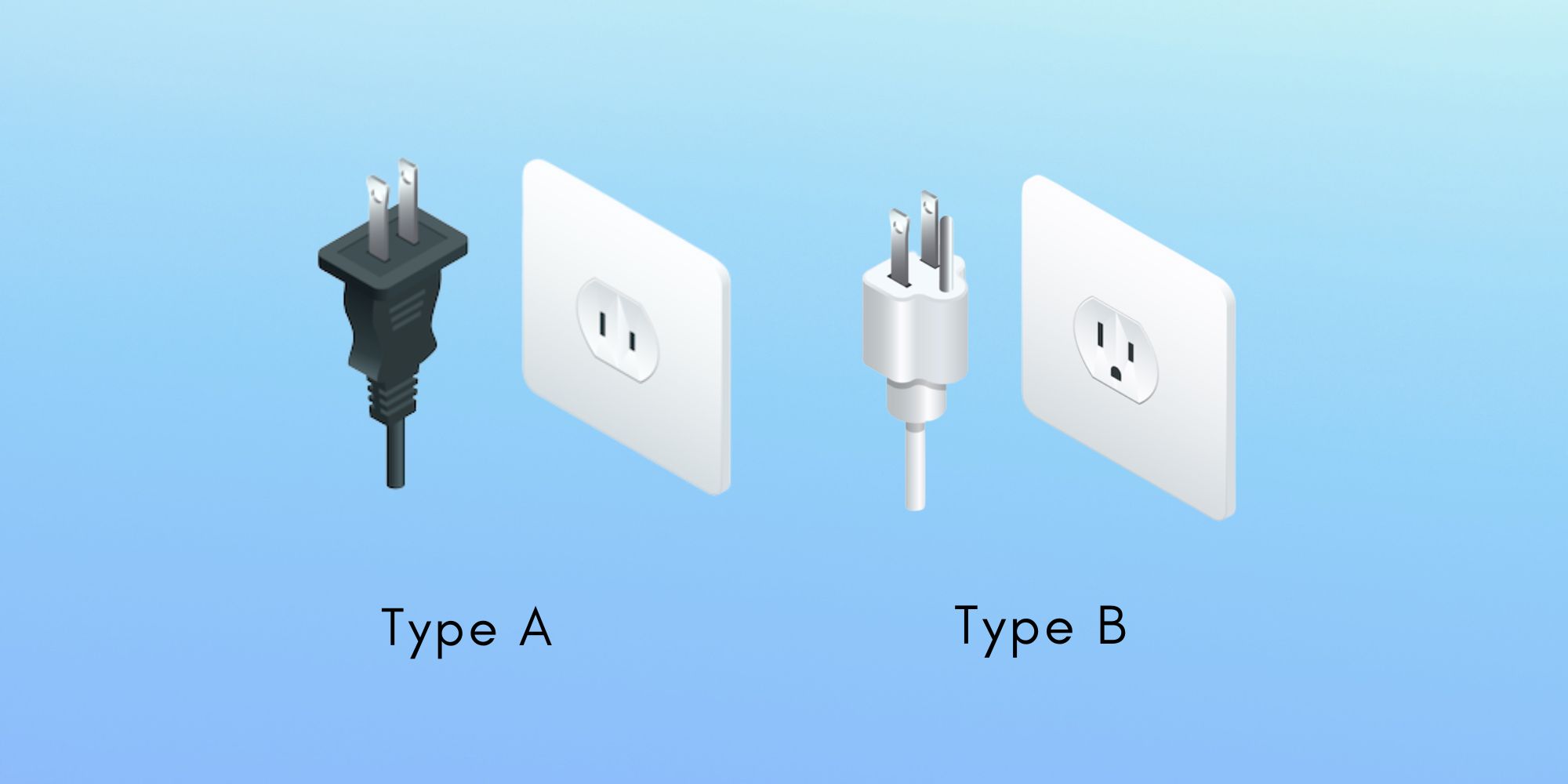
United States power: A · B · 120 V · 60 Hz
See the United States power plug guide →Do I need a plug adapter for a Power Bank in United States?
The A · B outlet family answers plug fit for a power bank, not whether it accepts 120 V. United States uses A · B. If the plug on the USB wall charger used to refill the power bank does not match, a correctly rated plug adapter can solve the physical connection only; it does not change 120 V.

EPICKA Universal Travel Adapter — one option to compare for Power Bank travel in United States
Check charger INPUT voltage and USB-C input wattage first. This product should be considered only when it fits the exact power bank setup; a plug adapter never changes United States’s 120 V supply.
View on Amazon →As an Amazon Associate, TripPlanning.org may earn from qualifying purchases.What else should I check for a Power Bank?
A hotel-room workaround in United States should not replace checking the exact power setup before departure. For this Power Bank, also verify battery capacity, USB-C profile and airline limits. A replacement cable, charger or power supply should match the manufacturer’s electrical requirements, not merely fit the visible connector.
Should I use a voltage converter for a Power Bank in United States?
Testing the complete power bank setup before United States keeps the travel-power kit simpler. When the USB wall charger used to refill the power bank already accepts 120 V, a voltage converter normally adds no benefit. Focus on a secure A · B connection and the exact power or charging requirements.
A practical Power Bank setup for United States
Once the exact power setup is confirmed for United States, extra conversion hardware is easier to avoid. For travel in United States, Protect terminals and keep the power bank in permitted baggage. Test the complete power bank setup before departure and keep the official instructions available.
Travel-friendly picks on Amazon
Three non-electrical trip essentials, kept separate from the device and power products above.
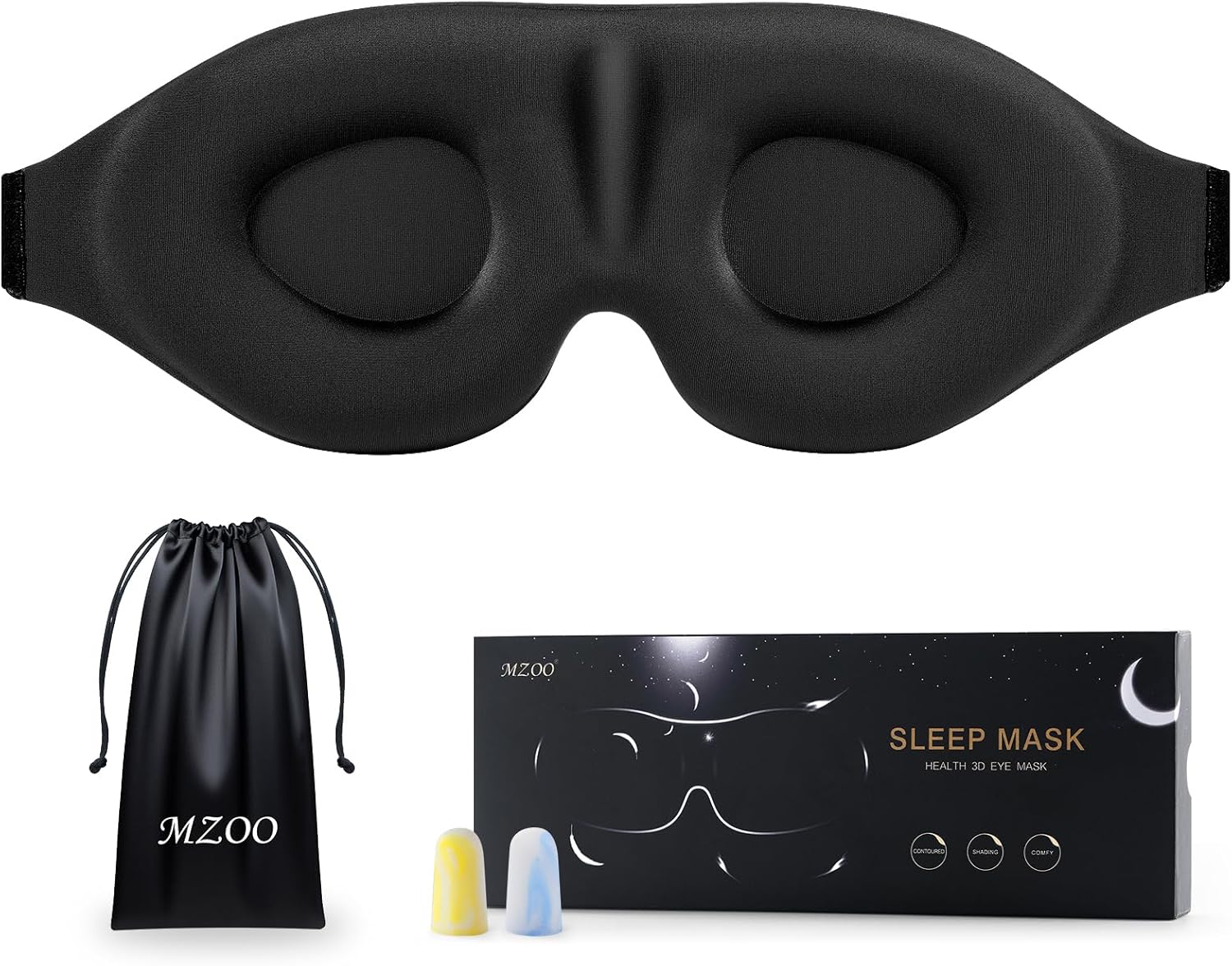
MZOO Sleep Eye Mask
Useful for flights and bright hotel rooms on a United States trip, especially when a long power bank travel day makes good rest more valuable.
View on Amazon →
UROPHYLLA Inflatable Travel Pillow
A compact neck-support option for flights or transfers around United States; it stays separate from the electrical compatibility decisions for your power bank.
View on Amazon →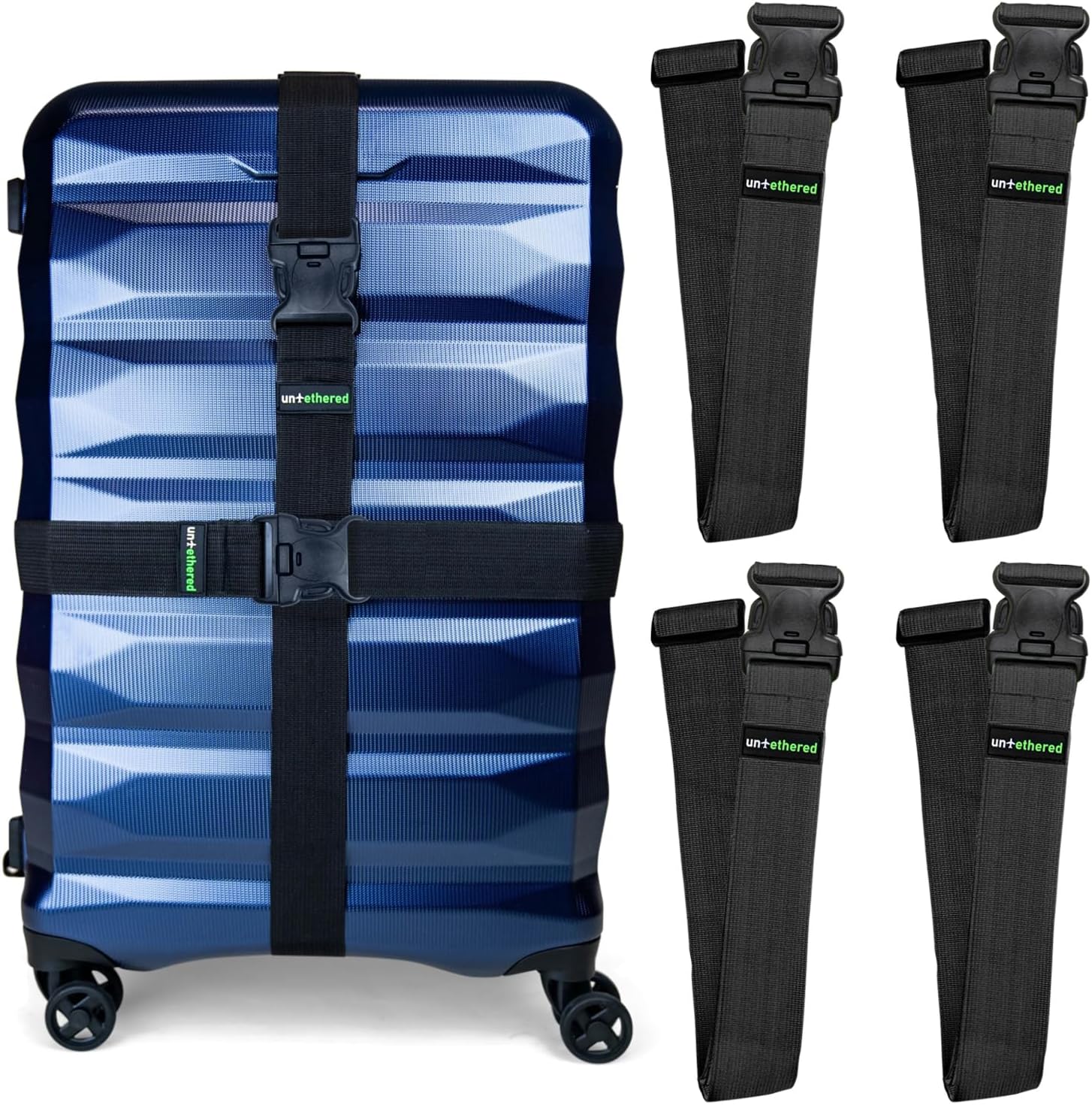
Untethered 4-Pack Luggage Straps
Bright straps can help secure and identify checked luggage on the way to New York or Detroit, without repeating the power accessories already shown above.
View on Amazon →As an Amazon Associate, TripPlanning.org may earn from qualifying purchases.
Other devices in United States
Explore other device power guides for this exact destination. Links never switch to another country or city.