Plan the ascent, not just the destination.
Use these destination guides to understand whether altitude is a meaningful part of your trip, what to watch for, and how to plan a slower arrival when the route goes high.
Risk is driven more by elevation and ascent profile than by fitness. If symptoms appear after ascent, do not keep climbing just to stay on schedule.
High-Altitude Trip Essentials
Practical travel gear for high-altitude trips. These products are not presented as prevention or treatment for altitude sickness.

Keep your phone charged for maps, bookings and long travel days.
Check price on Amazon →Travel essential
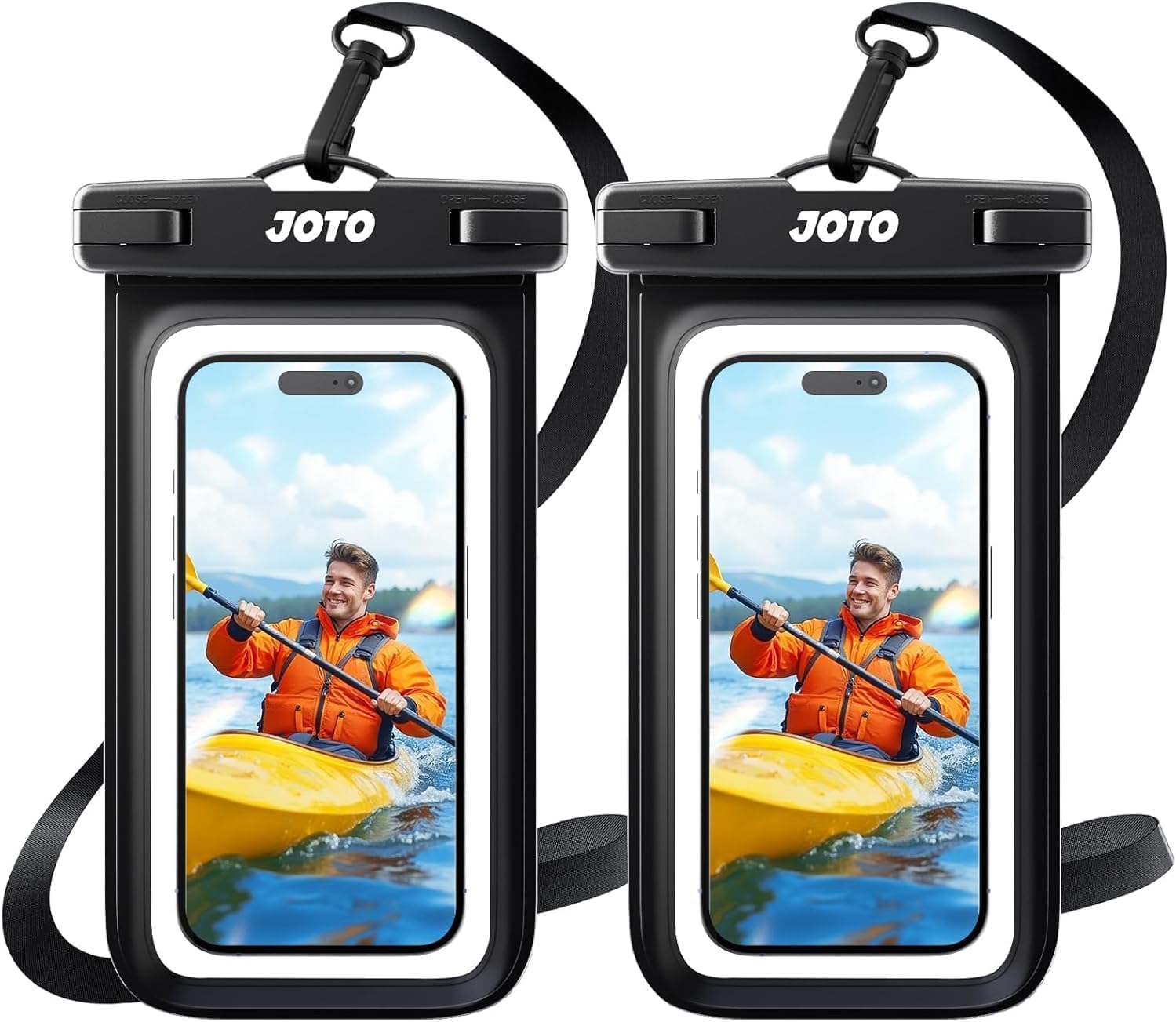
Help protect your phone from rain, snow and splashes on the road.
Check price on Amazon →Weather-ready

A compact temperature and compass accessory for outdoor trips.
Check price on Amazon →Outdoor gear
As an Amazon Associate, TripPlanning.org earns from qualifying purchases. Prices, availability and ratings can change, so they are not shown here.
Not every mountain destination has the same altitude risk. Choose the actual place below rather than treating every elevated city or mountain range as equivalent.
Destination altitude guides
Choose by risk profile first. A city stay, a high mountain climb and a route-dependent trek do not need the same altitude plan.
Higher-risk destinations
Trips where sleeping elevation or rapid ascent makes acclimatization a real part of planning.
3 guidesRoute-dependent destinations
Risk changes with the route, sleeping elevation and how high your itinerary actually goes.
8 guidesCity elevation questions
Elevated cities where visitors may notice the height, but classic acute mountain sickness is generally not expected.
2 guidesLower to moderate risk destinations
Places where classic altitude illness is less likely for typical visitors, though elevation and exertion still matter.
3 guides