“I verified the CPAP power brick and humidifier requirements before choosing an adapter for Norway.”
— overnight-power planning for Oslo
Will my CPAP power brick work in Norway?
A cabin, ferry or city-hotel itinerary can change where equipment gets charged, so a flexible but electrically simple setup is more useful than relying on one ideal bedside outlet. The CPAP power brick is the first item to verify. Norway is listed at 230 V / 50 Hz. Many modern CPAP power supplies are wide-input, but you should confirm the exact INPUT line on your brick and any separate humidifier or heated-tube requirements before travel.
If the power brick includes 230 V, the next question is physical plug fit. Norway uses C · F; a plug adapter changes the connection shape only and should never be treated as a voltage converter. Cold outdoor days increase the value of charged batteries, which makes dependable overnight power planning important without changing the rule that plug adapters do not convert voltage.
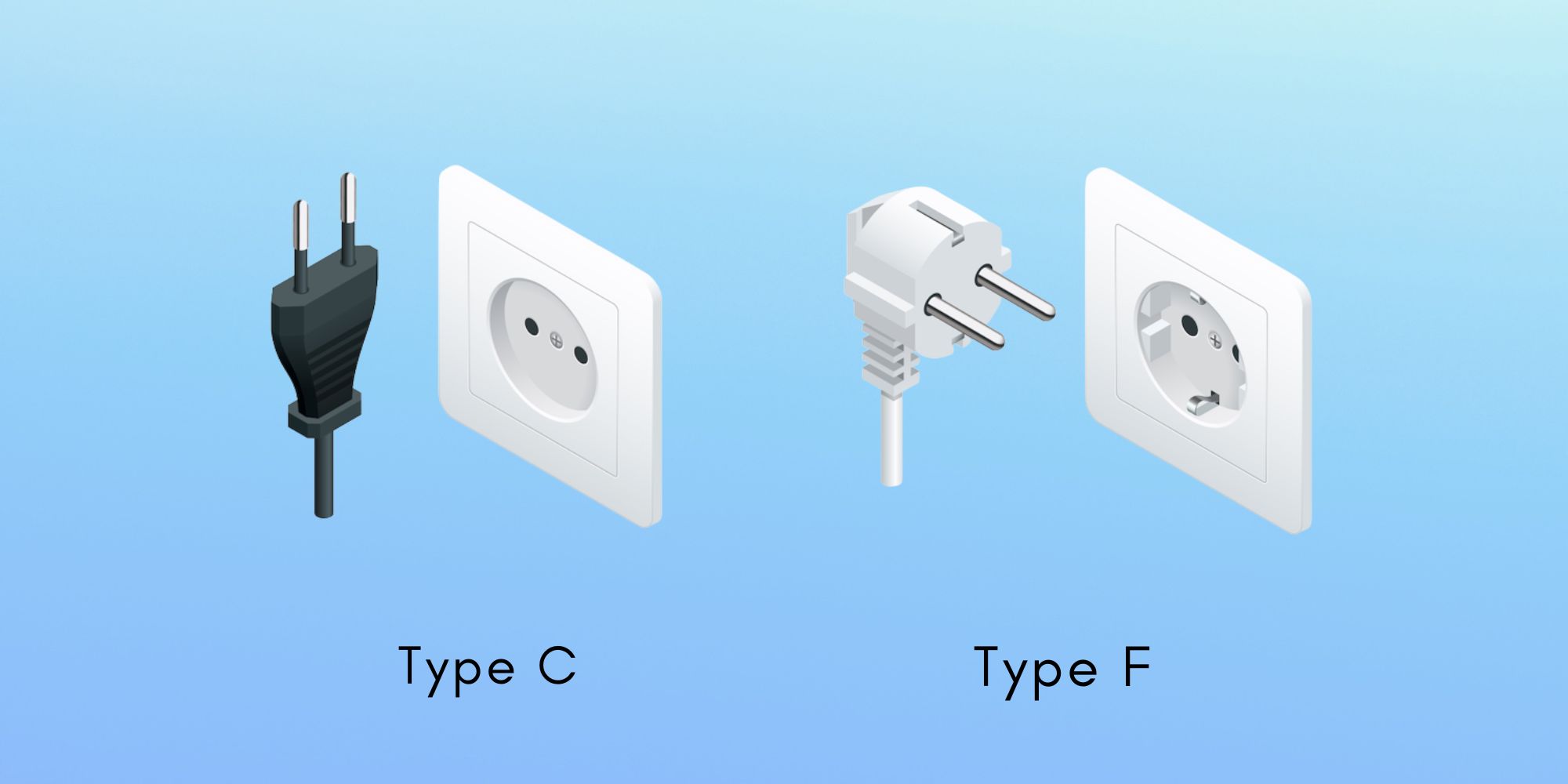
Norway power: C · F · 230 V · 50 Hz
See the Norway power plug guide →Setting up a reliable CPAP outlet in Norway
Between Oslo and Bergen, a charger may move from hotel desk to ferry cabin or guesthouse while its voltage and wattage requirements remain exactly the same. CPAP use is different from charging a phone because the load runs for hours while you sleep. In Oslo, choose a stable bedside outlet, avoid loose adapter stacks, and keep enough cable length to place the machine safely. If a humidifier increases power draw, include that normal overnight configuration in your planning.

EPICKA Universal Travel Adapter — plug-shape option for a verified CPAP supply in Norway
In Norway, use a passive adapter only after the CPAP power brick is confirmed for 230 V; choose a secure C · F connection and follow the device manufacturer’s guidance.
View on Amazon →As an Amazon Associate, TripPlanning.org may earn from qualifying purchases.Planning CPAP backup power for Norway
Type C/F outlets make the plug family familiar to many European travelers, but visitors from flat-pin or Type G systems still need a secure physical connection. Backup power needs to be model-specific. A generic USB power bank is not automatically a CPAP battery. For a trip between Oslo and Bergen, use only batteries, DC cables or inverters that the manufacturer supports for the exact CPAP, and check expected runtime with the humidifier settings you plan to use.
Should I use a voltage converter with a CPAP in Norway?
A cold-weather packing list can include several battery-dependent devices, so charger capacity and overnight outlet sharing become practical concerns once compatibility is confirmed. Do not improvise with a small travel voltage converter for medical equipment. If the CPAP power supply does not clearly accept 230 V, contact the manufacturer or equipment provider for an approved solution. The goal is a predictable overnight setup, not simply making the plug enter the socket.
Airline and battery planning for a CPAP trip to Norway
For a Norway trip, fewer well-tested power accessories are easier to manage than a chain of adapters that adds bulk without solving a different electrical problem. Air travel adds a separate checklist: keep essential CPAP equipment and permitted batteries where airline rules require, protect terminals on spare batteries, and verify current carrier requirements before departure. Electrical standards in Norway are only one part of keeping therapy available throughout the trip.
Travel-friendly picks on Amazon
Three non-electrical trip essentials, kept separate from the device and power products above.
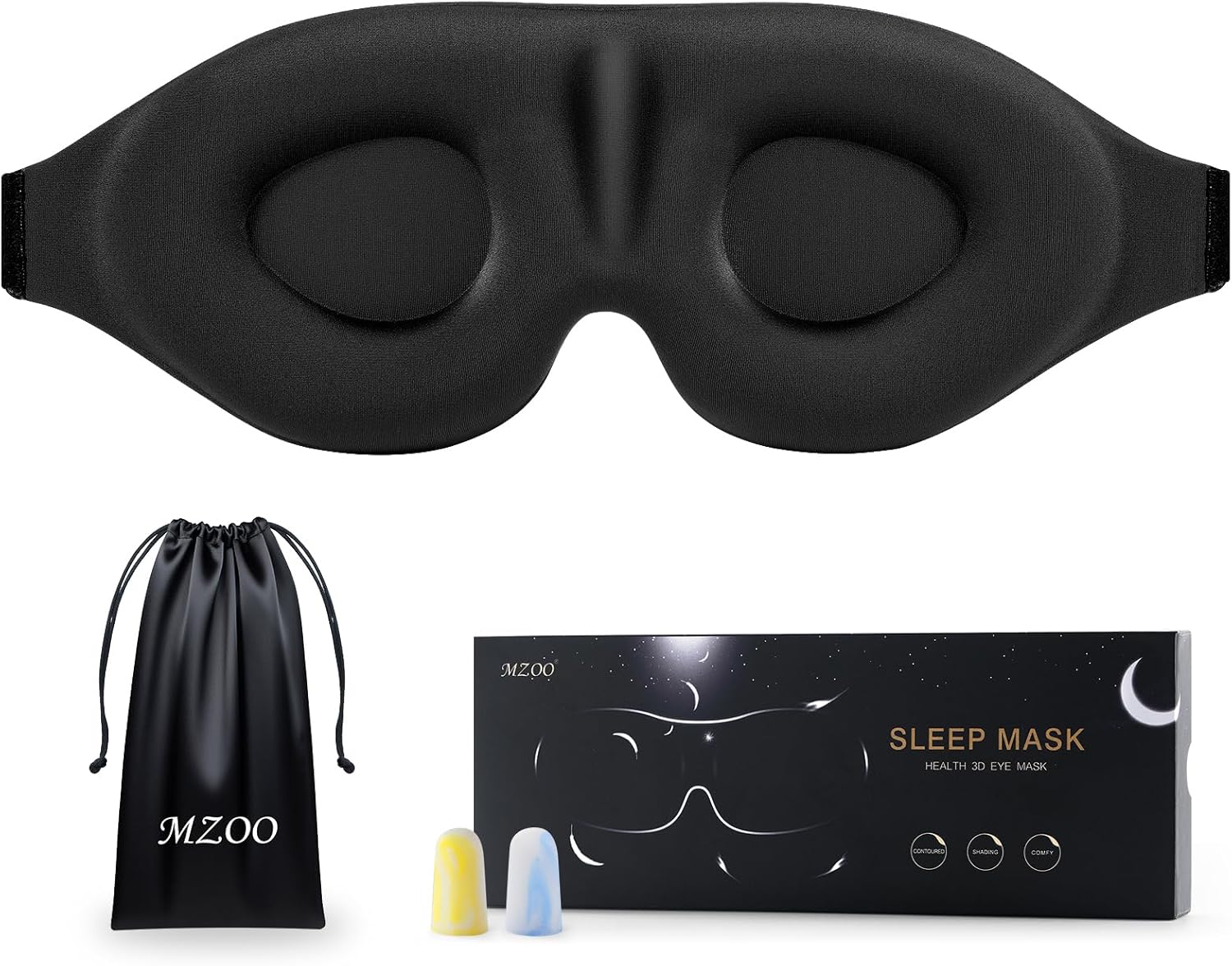
MZOO Sleep Eye Mask
Useful for flights and bright hotel rooms on a Norway trip, especially when a long cpap travel day makes good rest more valuable.
View on Amazon →
UROPHYLLA Inflatable Travel Pillow
A compact neck-support option for flights or transfers around Norway; it stays separate from the electrical compatibility decisions for your cpap.
View on Amazon →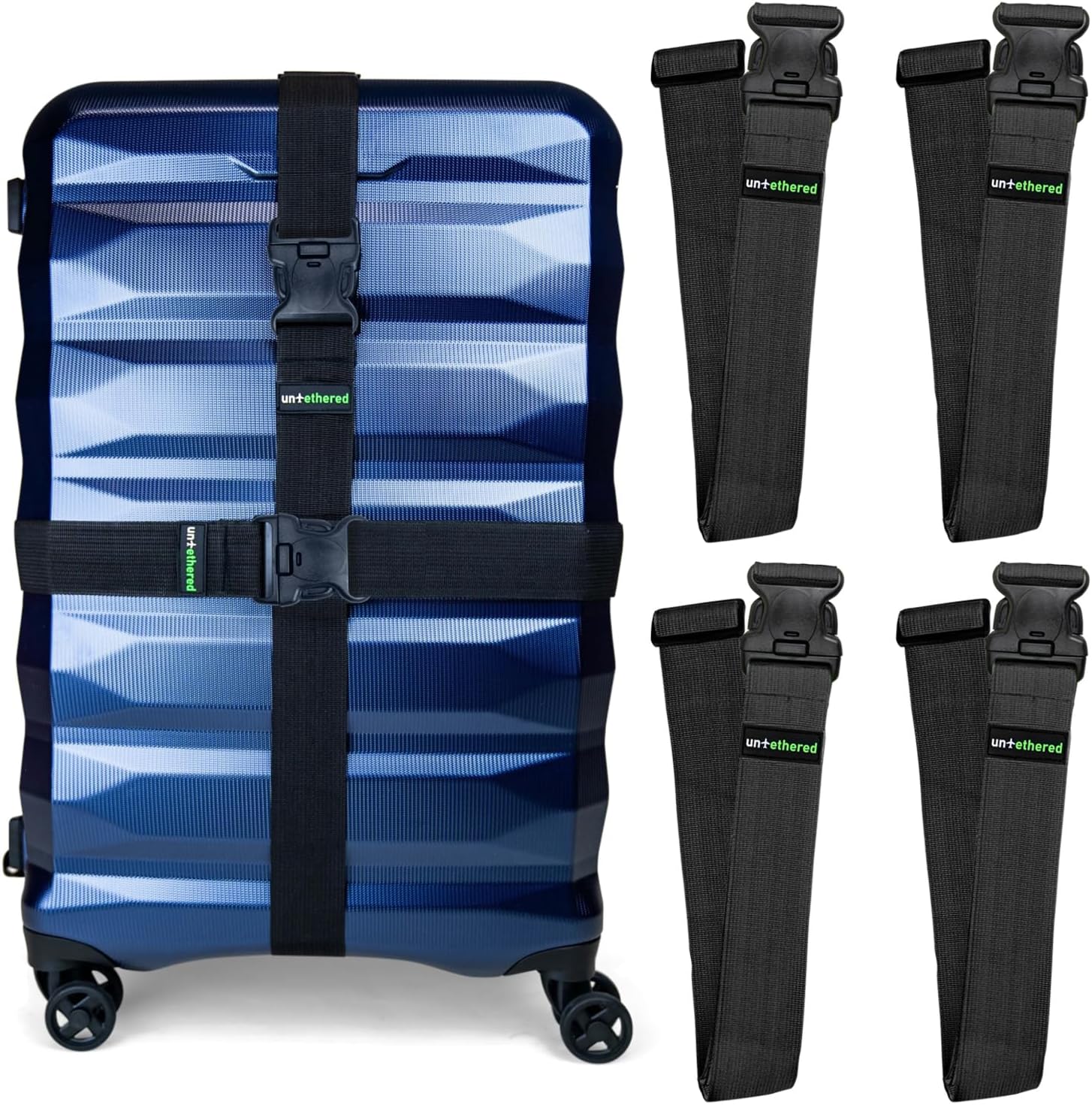
Untethered 4-Pack Luggage Straps
Bright straps can help secure and identify checked luggage on the way to Oslo or Bergen, without repeating the power accessories already shown above.
View on Amazon →As an Amazon Associate, TripPlanning.org may earn from qualifying purchases.
Other devices in Norway
Explore other device power guides for this exact destination. Links never switch to another country or city.