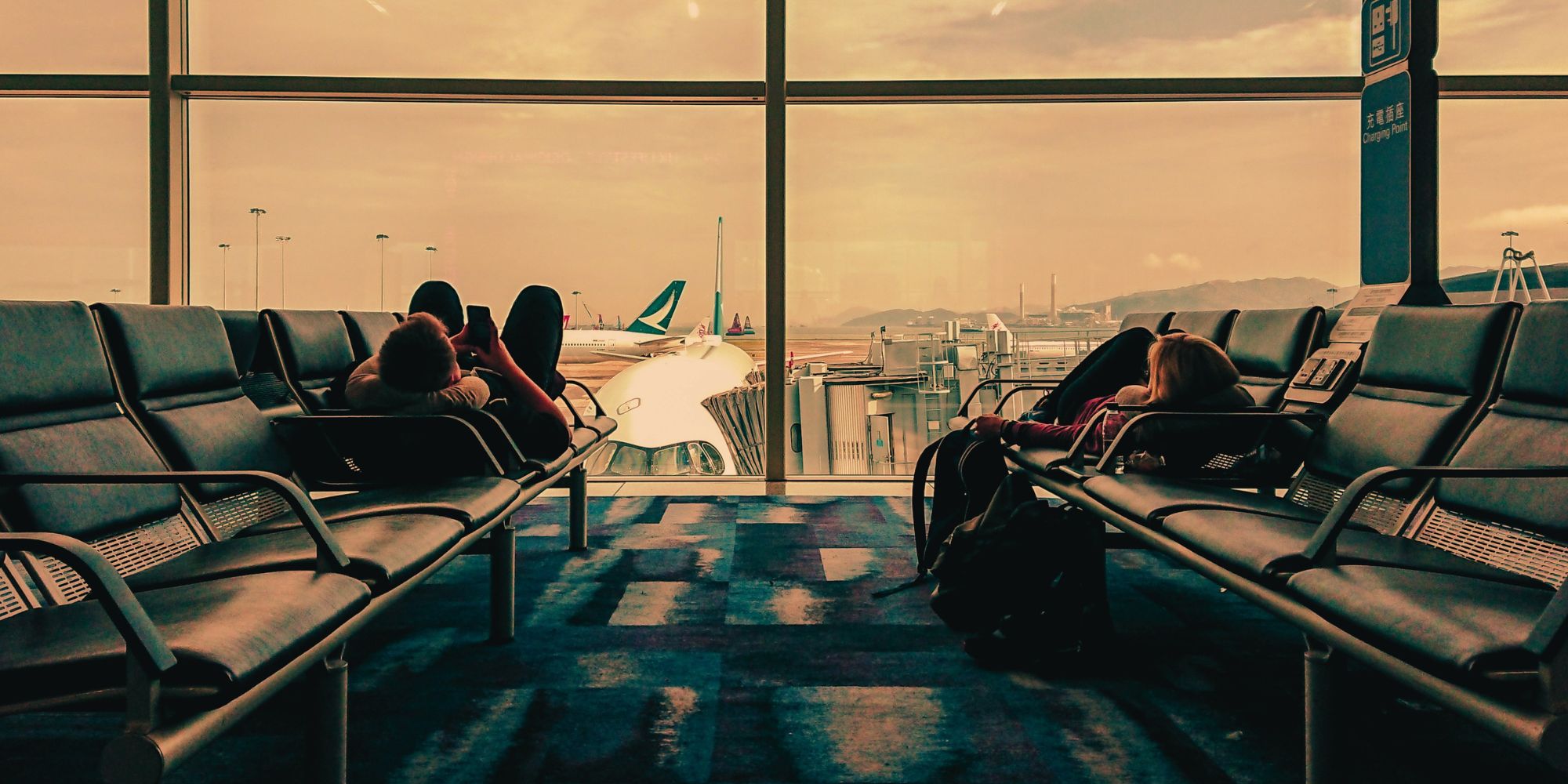
Limit Alcohol or Caffeine

Caffeine can be useful when you need to stay awake, but taking it too late in the destination day may make it harder to sleep when you finally reach bedtime. Alcohol can also make you feel sleepy without necessarily giving you the kind of rest you want after a long travel day.
Think about timing rather than trying to avoid everything completely. Once you arrive, use the local clock to decide when coffee or a drink is likely to help and when it is more likely to interfere with the next night of sleep.
Keep a Consistent Local Bedtime
Once you are at the destination, a reasonably consistent local bedtime gives your body a clearer signal about when the new day ends. This is especially useful on trips where the first few days are packed with early tours or work commitments.
You do not have to force sleep at an exact minute. Aim for a normal local bedtime and combine it with daytime light and meals on the destination schedule so several cues are pointing in the same direction.
Use Naps Strategically

A short nap can take the edge off after an overnight flight, but a long late-afternoon sleep may make it much harder to stay asleep at night. If you need a nap, keep it deliberate rather than accidentally sleeping away several hours.
For a very short trip, fully shifting your body clock may not always be worthwhile. For longer stays, however, spending more of the day awake on local time usually makes the adjustment easier.
Comfort picks for flights and hotel rooms
These two products directly match the sleep-focused advice in this guide, so they are featured once near the relevant sections.
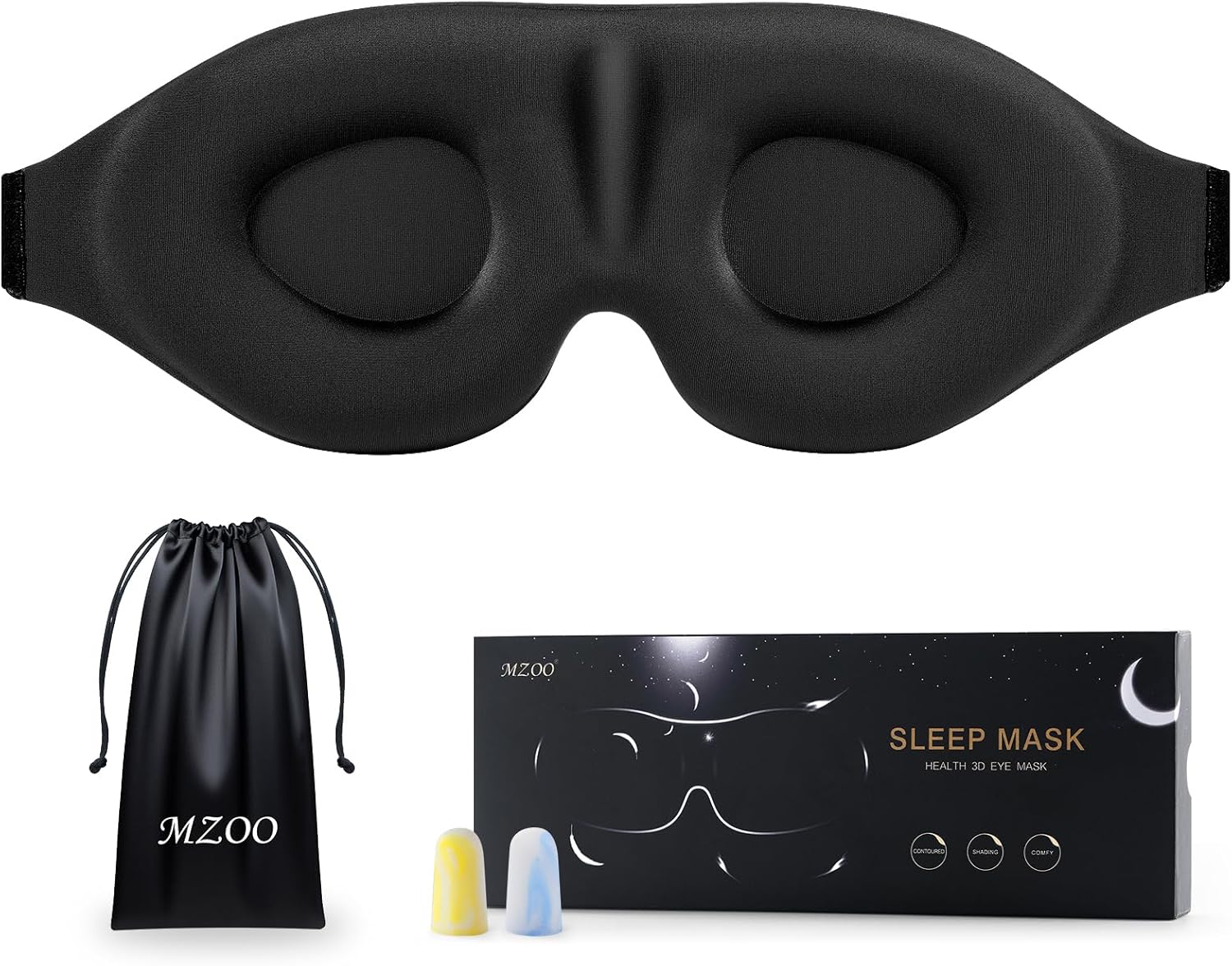
MZOO Sleep Eye Mask
Contoured light-blocking eye mask for flights and hotel rooms.
View on Amazon →
UROPHYLLA Inflatable Travel Pillow
Inflatable neck support that packs down small.
View on Amazon →Reduce Bedtime Technology
Phones are useful for maps, messages and alarms, but endless scrolling can stretch bedtime long after you meant to sleep. Set up tomorrow’s route, alarm and boarding information earlier so you do not have to keep checking the screen once you are in bed.
If the phone is also your alarm, place it somewhere you can reach without holding it in your hand. The goal is not a perfect digital detox; it is to make the last part of the evening calmer and more predictable.
Avoid Heavy Meals Right Before Bed

Travel schedules often push dinner later than usual. If you arrive hungry near bedtime, choose something comfortable for you rather than turning the first night into a very large meal followed immediately by sleep.
Try to move meals toward the destination schedule as the trip continues. Regular local meal times can reinforce the same day-and-night pattern you are trying to establish with sleep.
Get Some Daytime Exercise
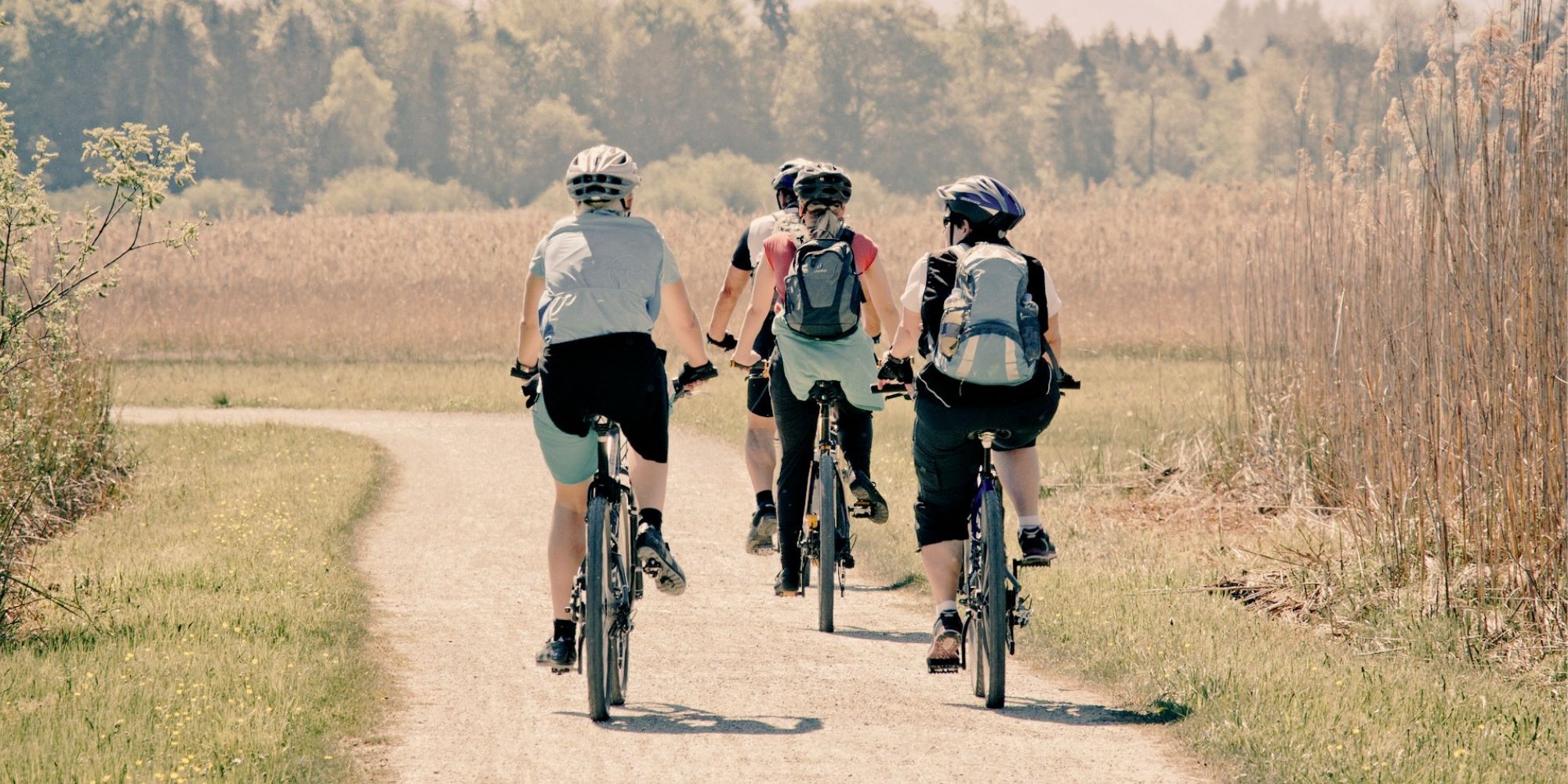
A walk after arrival can help you stay awake, get daylight and start learning the neighborhood at the same time. You do not need a hard workout; even normal sightseeing on foot can make the day feel more like a real local day than an extension of the flight.
If intense exercise close to bedtime tends to keep you awake, do it earlier. The useful part is daytime movement and routine, not exhausting yourself after a long journey.
Keep the Room Dark and Quiet
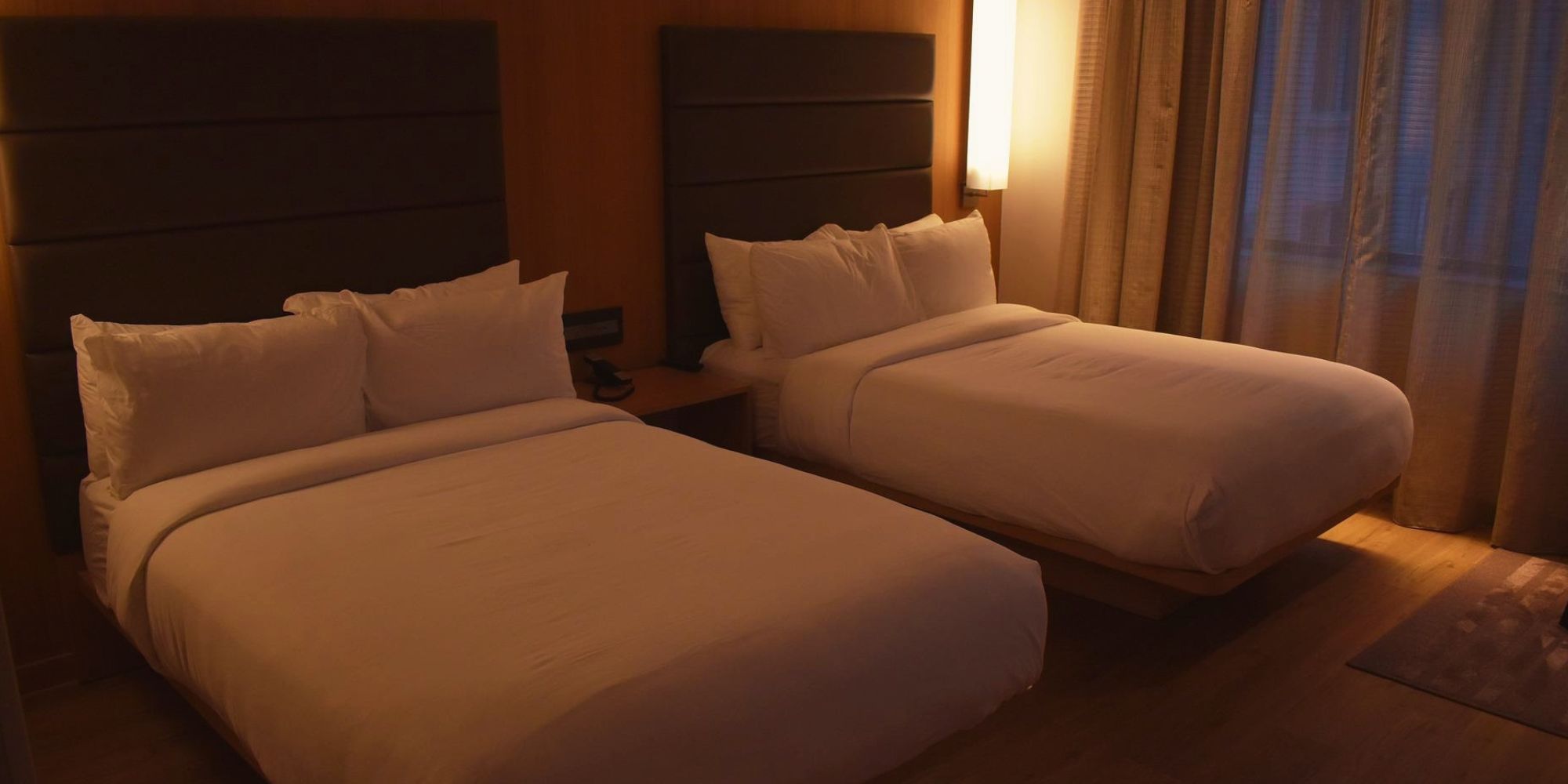
Hotel rooms can have hallway light, bright electronics, street noise or curtains that never quite close. Take a minute to fix the room before you are tired: close gaps, mute unnecessary notifications and move noisy devices away from the bed.
A sleep mask or familiar earplugs can help when you cannot control the room. Small comfort items are especially useful on multi-stop trips where every night has a different sleep environment.
Drink Normally During the Day

Long flights and busy sightseeing days can make it easy to forget normal drinking habits. Keep water available during the day rather than trying to catch up with a large amount right before bed.
Use your usual needs and the local climate as a guide. Very hot, dry or active trips may require more attention than a quiet city break.
Avoid Late Snacking When Possible

A late snack is not automatically a problem, but repeatedly eating large amounts in the middle of the destination night can reinforce the feeling that your body is still on home time.
If you wake hungry, choose something simple that works for you and return to your normal local meal schedule the next day instead of turning the night into a second dinner.
Leave the Phone Alone at Bedtime
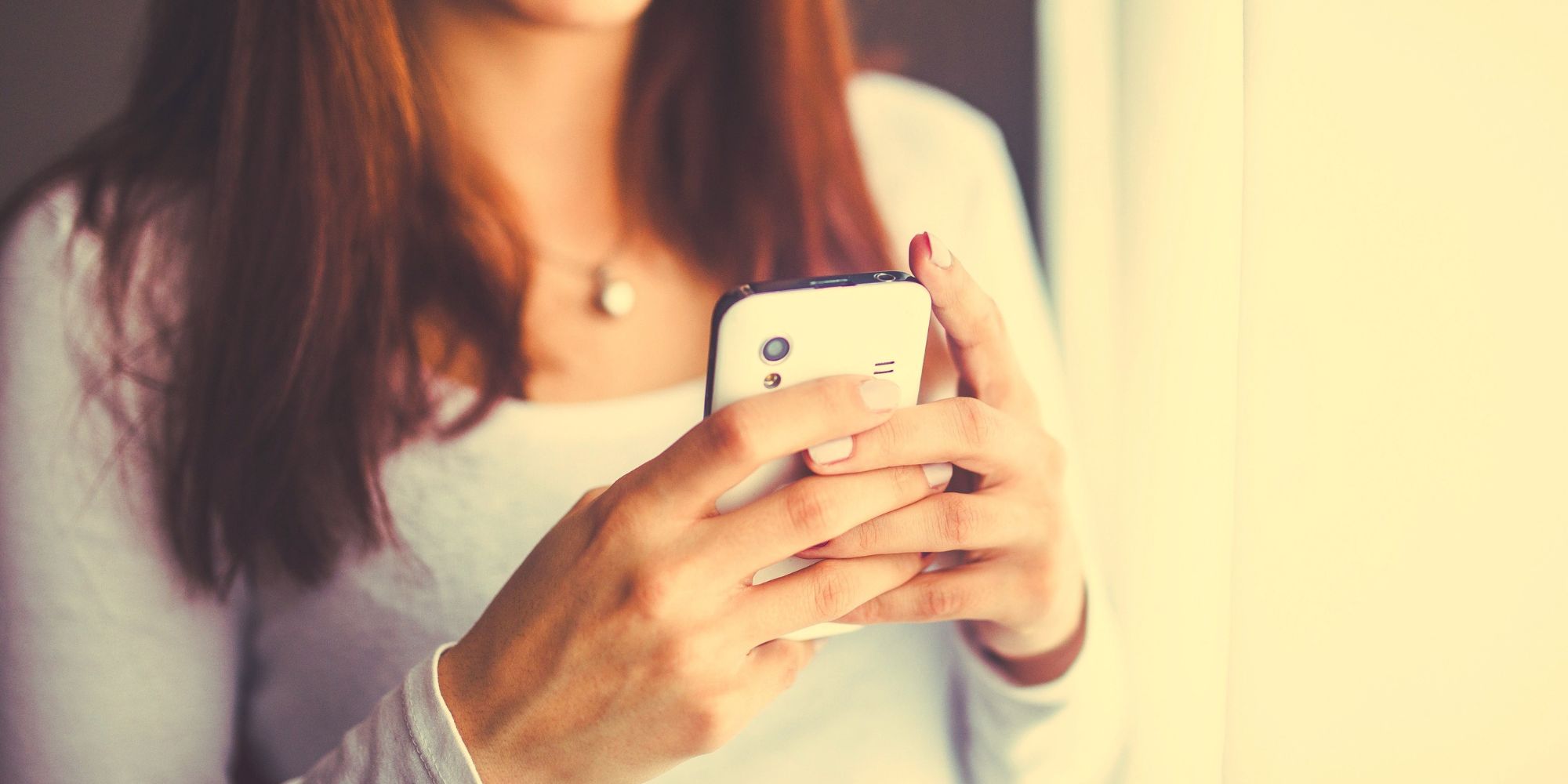
When jet lag wakes you early, checking messages can quickly turn a brief wake-up into an hour of activity. If nothing is urgent, keep the room quiet and dim and give yourself a chance to return to sleep.
Download anything you need for the morning—tickets, maps or confirmations—before bed so you are not tempted to start planning the whole day at 3 a.m.
Bring a Good Travel Pillow

A travel pillow will not eliminate jet lag, but it can make it easier to rest on a flight or train when the seat itself is working against you. Choose one that supports the way you actually sleep rather than the largest or most elaborate option.
For overnight travel, pair comfort with timing: if sleeping during the journey matches nighttime at your destination, useful rest may help you arrive closer to the new schedule.
More useful trip essentials
Additional items already used on this guide that may be useful on the rest of the trip, separate from the sleep-specific picks above.


EPICKA Universal Travel Adapter
A multi-country travel adapter for compatible electronics.
View on Amazon →
HOMEST 2 Pack XL Travel Laundry Bag
Large washable travel laundry bags for separating worn clothing.
View on Amazon →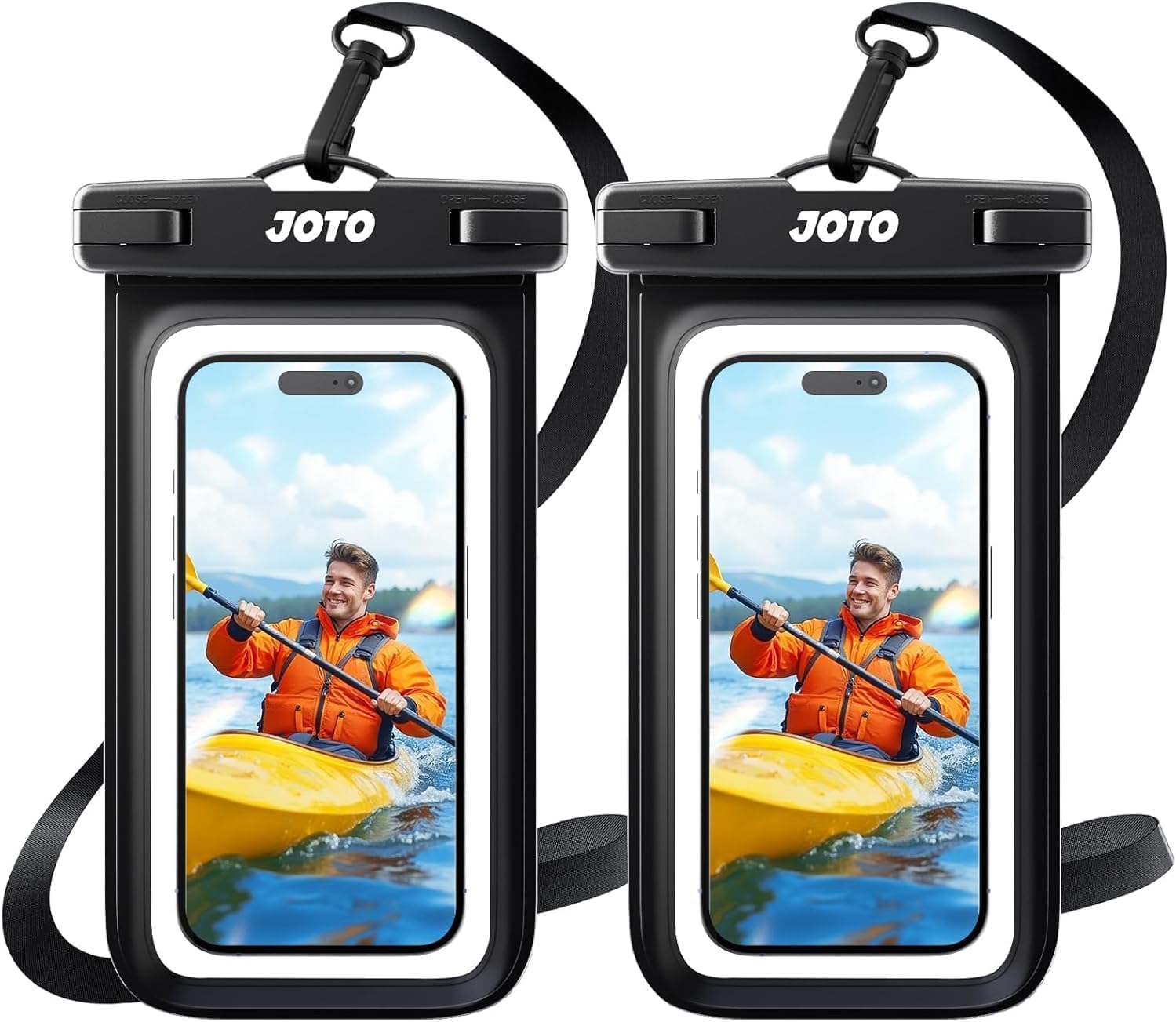
JOTO Waterproof Phone Pouch
Waterproof phone protection for rain, beaches and boats.
View on Amazon →